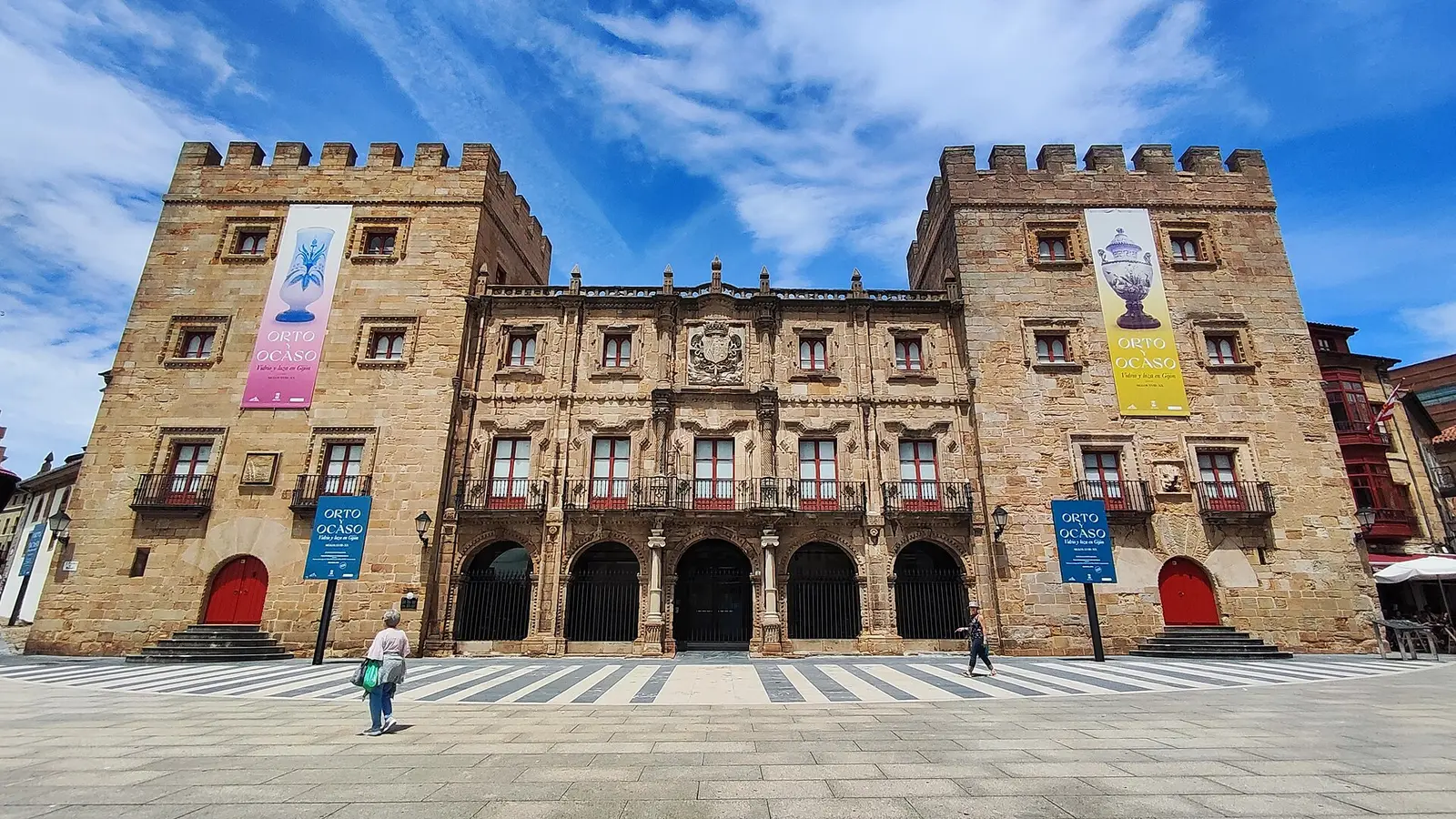
Gijón doesn’t have one big headline museum; instead it has lots of small, very different ones: Roman baths beneath a square, the house where the statesman Jovellanos was born, an old station full of locomotives, an open-air museum of granaries and bagpipes, and an Iron Age hillfort on the cliffs. Most belong to the city’s municipal museum network and, together, they tell Gijón’s story from pre-Roman times to the industrial age.
The city museum network
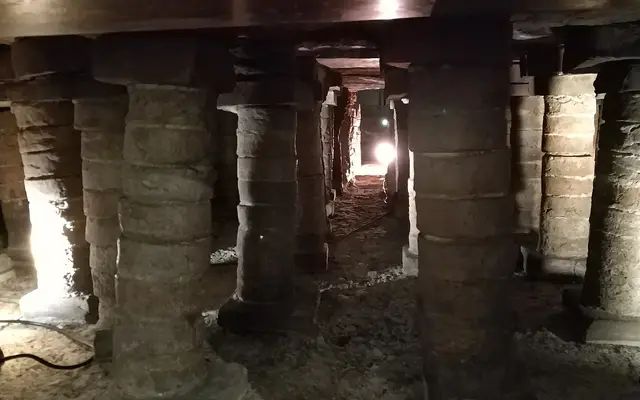
Roman Baths of Campo Valdés
The public baths of Roman Gijón, under the Campo Valdés square next to the church of San Pedro, where San Lorenzo beach begins. Discovered in 1903 and opened as a museum in 1995, they’re free to enter according to Turismo Asturias and the must-see for anyone interested in ancient history. Full guide: Roman Baths of Campo Valdés.
Jovellanos Birthplace Museum
In the family home where Gaspar Melchor de Jovellanos was born, in the heart of Cimavilla. It houses the city’s art collection, with 19th- and 20th-century Asturian painting, earlier European schools and treasures such as Sebastián Miranda’s Retablo del Mar. More in Jovellanos Birthplace Museum.
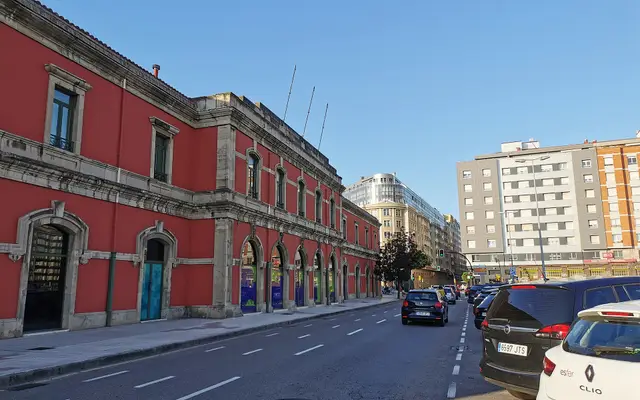
Asturias Railway Museum
In the old Norte station beside Poniente beach, it opened in 1998. A broad railway collection with steam locomotives, passenger carriages and trams. A winner with children. All the details in Asturias Railway Museum.
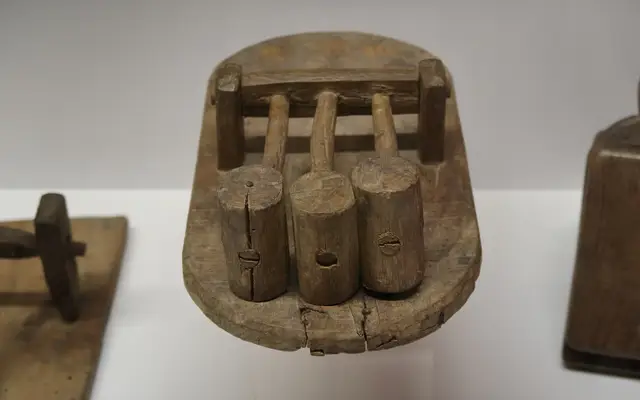
Museum of the Asturian People
An open-air site in Somió, near the river Piles, with hórreos (raised granaries), traditional houses, the bagpipe museum and the Asturian pavilion from Expo ’92 in Seville. The best way to understand rural Asturian life. Guide: Museum of the Asturian People.
Campa Torres Archaeological Park
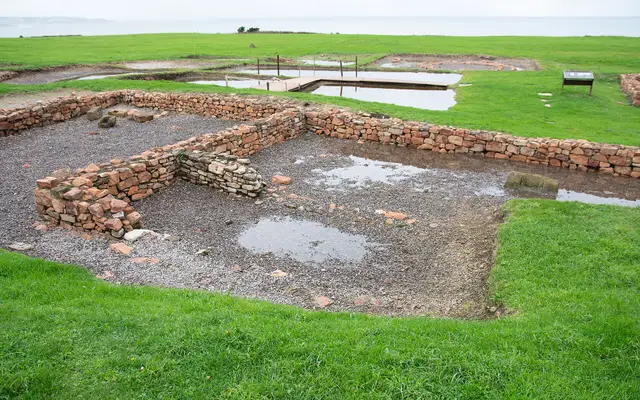
On Cape Torres, about seven kilometres west of the centre beside the port of El Musel. It preserves the remains of a large Iron Age hillfort, later occupied in Roman times too, on a headland with spectacular coastal views. It mixes archaeology with a bracing walk: wear comfortable shoes and bring a layer, as it’s often windy.
Veranes Roman Villa
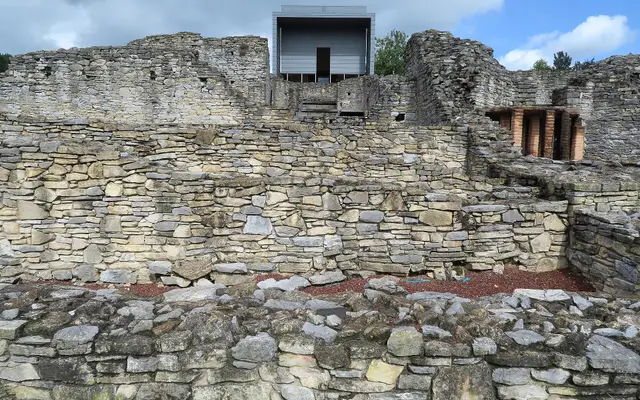
In the rural part of the municipality, a late Roman villa turned into an on-site museum, which joined Gijón’s archaeological museums in 2007. It’s the best way to see what a large Roman farming estate in Asturias looked like. You’ll need a car.
Nicanor Piñole Museum
On Plaza de Europa in the city centre, dedicated to the Gijón-born painter Nicanor Piñole, one of the key figures of 20th-century Asturian art.
Ciudadela de Celestino Solar
On Calle Capua, right in the centre. A ciudadela was a cluster of workers’ homes built inside a city block; this one is preserved as a museum and shows how working families lived in industrial Gijón.
Other museums and galleries
- Museo Barjola, in Cimavilla, dedicated to the painter Juan Barjola, with temporary contemporary art exhibitions.
- Museo Evaristo Valle, in Somió, dedicated to this Gijón painter, with a garden that’s worth the trip on its own.
- LABoral Centro de Arte, at Laboral City of Culture, a multidisciplinary centre for art and industrial creation.
- Torre del Reloj (Clock Tower), in Cimavilla, with displays on the city’s history.
- Gijón Aquarium, next to Poniente beach, the family favourite.
Gijón’s story, museum by museum
If you like to understand a place in order, Gijón’s museums work almost like a timeline:
- Before Rome: Campa Torres, the great hillfort on Gijón’s coast, home to the Astures, the local Iron Age people, before the Romans arrived.
- Roman Gijón: the Campo Valdés baths, in the walled town on the Cimavilla hill, and the Veranes villa out in the countryside.
- The Enlightenment: Jovellanos’ birthplace, which tells how an 18th-century local tried to modernise Asturias through education, industry and the port.
- Rural Asturias: the Museum of the Asturian People, with village life, granaries, cider and bagpipes.
- The industrial age: the Railway Museum and the Ciudadela de Celestino Solar, which bring to life the Gijón of coal, factories and working families.
- 19th- and 20th-century art: the collection at Jovellanos’ birthplace and the museums devoted to Nicanor Piñole, Evaristo Valle and Juan Barjola.
How to plan a museum day
Central walking route (half a day). Start at the Roman Baths, climb through Cimavilla to Jovellanos’ birthplace and the Clock Tower, and finish with a cider in the old quarter. Everything is a few minutes apart.
West route (half a day). The Railway Museum and the Aquarium, with a stroll along Poniente Beach in between. With a car, add Campa Torres at sunset.
East route (half a day). The Museum of the Asturian People and a walk through Isabel la Católica Park; with more time, the Atlantic Botanical Garden or the Evaristo Valle museum.
Tip: museums are the perfect answer to Asturias’ frequent grey days. You’ll find more ideas in rainy day in Gijón.
Opening hours and tickets
Hours, prices and free-entry days vary by season and museum, and it’s normal for museums to close one day a week and on some public holidays. Before you go, check the current information on the Gijón City Council museum network website (in Spanish). Several museums offer guided tours that are worth booking ahead.
If you’re planning your trip, see also things to see in Gijón and how to fit it all into Gijón in one day.
Culture & museums
Roman Baths of Campo Valdés
The Roman Baths of Campo Valdés in Gijón: what you'll see, their history, how to fit a visit into a walk round Cimavilla and what to combine nearby.

Jovellanos Birthplace Museum
The Jovellanos Birthplace Museum in Cimavilla: the home of Gijón's great Enlightenment figure, the Retablo del Mar and the city's art collection.
Asturias Railway Museum
The Asturias Railway Museum in Gijón: steam locomotives, trams and the old Norte station. What to see, tips for families and what to combine nearby.
Museum of the Asturian People
The Museum of the Asturian People in Gijón: hórreo granaries, traditional houses, the Bagpipe Museum and the Expo '92 pavilion, mostly open-air.
Campa Torres Archaeological Park
Visit Campa Torres in Gijón: the Iron Age hillfort of Noega on Cape Torres, a museum in a Civil War bunker, a lighthouse, sea views and practical tips.
Roman Villa of Veranes
Guide to the Roman Villa of Veranes near Gijón: a 4th-century country estate with baths, dining hall and mosaic, plus how to get there and opening times.

Teatro Jovellanos
Guide to Teatro Jovellanos in Gijón: its history from the old Dindurra theatre, what's on, how to buy tickets and tips for an evening at the theatre.
Frequently asked questions
Are museums in Gijón free?
It depends on the museum and the day. Several city museums have free entry or free days, but prices change, so check the current rates on the Gijón City Council website before you go.
Which museum should I see if I only have an afternoon?
If you're in the centre, combine the Roman Baths and Jovellanos' birthplace, a few minutes apart on foot in Cimavilla. With children, or if you like trains, go for the Railway Museum.
Are Gijón's museums open on Mondays?
Opening hours vary by museum and season, and it's common for museums in Spain to close one day a week. Check each museum's calendar on gijon.es before planning.
Are there good museums in Gijón for a rainy day with kids?
Yes: the Railway Museum, with real locomotives to get close to, and the Museum of the Asturian People, with granaries and traditional houses plus a bagpipe collection. The Aquarium is the other classic.
Sources
- Gijón City Council – Museum network — 28 October 2026
- Turismo Asturias – Gijón de museos — 29 October 2026
- Turismo Asturias – Museo de las Termas Romanas de Campo Valdés — 29 October 2026
- Wikipedia – Termas romanas de Campo Valdés — 29 October 2026
- Wikipedia – Museo del Ferrocarril de Asturias — 29 October 2026
- Wikipedia – Museo del Pueblo de Asturias — 29 October 2026
- Wikipedia – Museo Casa Natal de Jovellanos — 29 October 2026