Gijón has an oceanic climate: mild all year round, rarely very hot or very cold, with lush green landscapes that owe everything to rain spread across the seasons. The sea keeps temperatures moderate, and the weather can change several times in a single day, so the trick is to come prepared. This page will help you decide when to come and what to pack.
What Gijón’s climate is like
- Mild and humid: the Cantabrian Sea (the Spanish name for the southern Bay of Biscay) tempers the climate, so winters are gentle for the latitude and summers are cool compared with the rest of Spain. Think closer to south-west England or Brittany than to Seville.
- Rain throughout the year: there is no marked dry season as in southern Spain, though summer is drier. Much of the rain is orbayu, the very Asturian fine drizzle that barely seems to wet you yet never quite stops.
- Changeable: a grey morning can clear by midday, and vice versa. Do not cancel plans just because it is cloudy when you wake up.
- Galernas: occasionally, mostly in spring and summer, a galerna blows in – a sudden shift in wind and swell along the Cantabrian coast. If you are warned on the beach or at the harbour, take it seriously.
For official data and daily forecasts, the reference is AEMET, Spain’s meteorological agency.
Gijón weather by season
Spring (March–May)
Mild temperatures, lengthening days and the countryside at its greenest. Lovely sunny spells alternate with rainy days. A good time for coastal walks, museums and day trips without the crowds.
Summer (June–September)
Beach season. Mild days, seldom really hot, and cool evenings. July and August are the liveliest months, with festivals and a packed San Lorenzo beach. September is often a gem: the sea is still pleasant and the crowds have gone. Watch out for occasional morning sea fog on the coast.
Autumn (October–November)
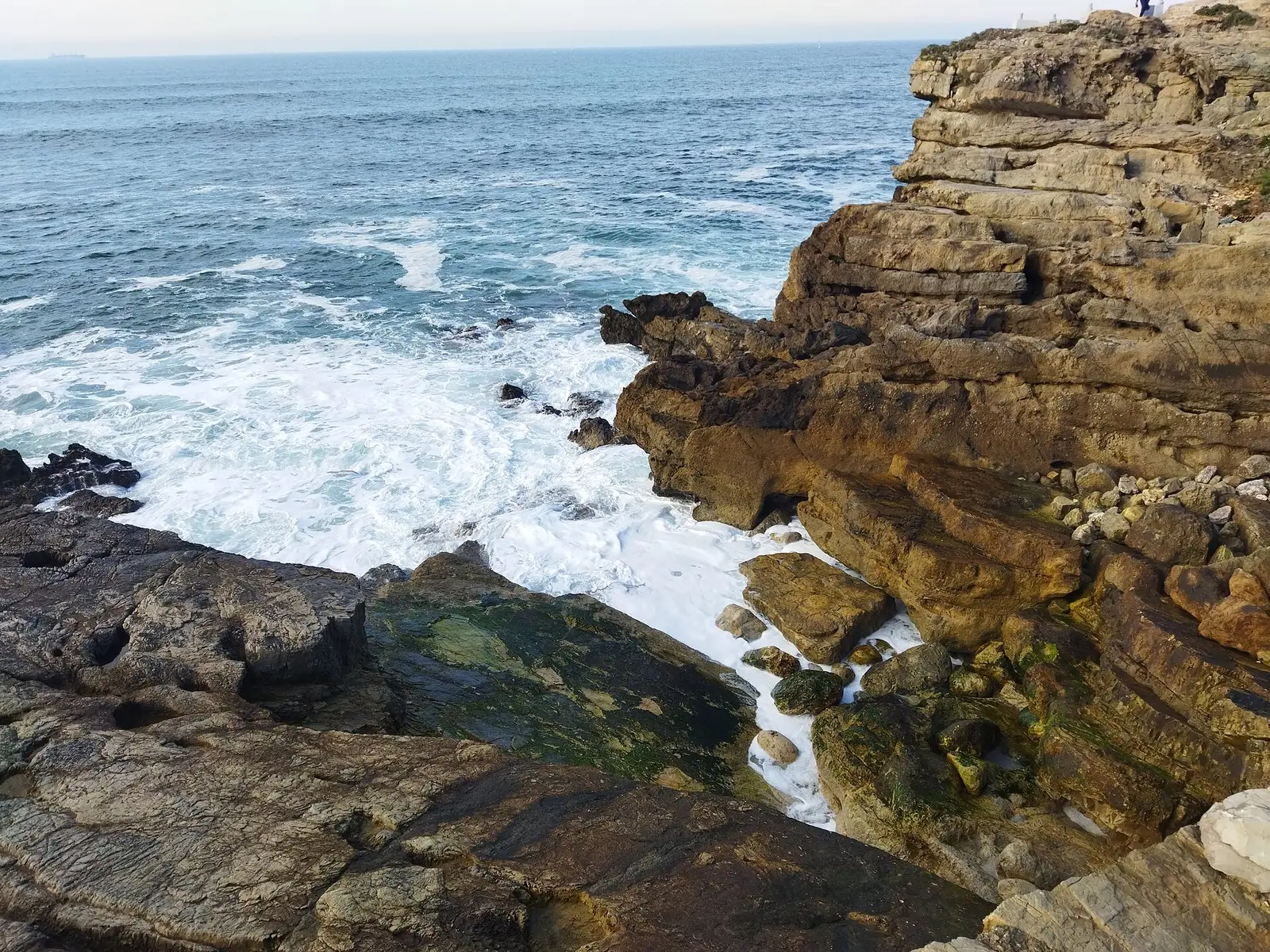
Still some mild, sunny days, especially in October, but rain and storms increase. A great season for food and indoor plans. Storm waves crashing against the San Lorenzo sea wall are quite a sight (watched from a safe distance).
Winter (December–February)
Cool but rarely truly cold; snow in the city is exceptional, though it does fall in the Asturian mountains. Short days, more rain and wind. In return: low prices and a very authentic city. Ideas for grey days in rainy-day things to do in Gijón.
The best time to visit Gijón
| If you want… | Best time |
|---|---|
| Beaches and swimming | July, August and September |
| Festivals and atmosphere | July and August |
| Walks and day trips in good weather, without crowds | May, June and September |
| Low prices and peace and quiet | November to March (except bank holidays and Christmas) |
What to pack
- Layers: T-shirt, jumper or fleece and a light jacket, even in August. Evenings by the sea can be chilly.
- A waterproof or folding umbrella, whatever the season.
- Comfortable shoes that can cope with a little rain: Gijón is best explored on foot and Cimavilla is hilly.
- Sun cream: cloud cover is deceptive and the northern sun still burns.
- Swimwear and a towel from June to September; sandals for the sand.
- Mountain gear if you are heading to the Picos de Europa or Covadonga: it is considerably colder up there.
Tip: before heading to the beach, check AEMET’s beach forecast and the lifeguard flag. To choose a beach, see our guide to Gijón’s beaches.
More trip-planning tips in practical information.
Frequently asked questions
When is the best time to visit Gijón?
For beaches and festivals, June to September, with July and August the liveliest and busiest months. For walking, day trips and better prices, May, June and September are excellent choices.
Does it rain a lot in Gijón?
It rains more than in central and southern Spain, and rain is spread throughout the year, although summer is the driest season. Often it is orbayu, a fine drizzle, rather than a downpour.
Is Gijón hot in summer?
Summers are mild and pleasant, without the intense heat of inland Spain. There are warm days, but evenings tend to be cool, so always bring an extra layer.
Is the sea cold in Gijón?
The Cantabrian Sea (Bay of Biscay) is cooler than the Mediterranean. In summer most people find swimming pleasant, but the first plunge feels fresh, especially early in the season. Visitors from the UK will find it warmer than home.
Where can I check the weather forecast for Gijón?
On the website of AEMET, Spain's State Meteorological Agency, which publishes official forecasts by town and a dedicated beach forecast. It is available in English.
Sources
- AEMET – Forecast for Gijón/Xixón — 29 October 2026
- AEMET – Beach forecasts — 29 October 2026
- AEMET – Climate normals (Gijón, Puerto station) — 29 October 2026