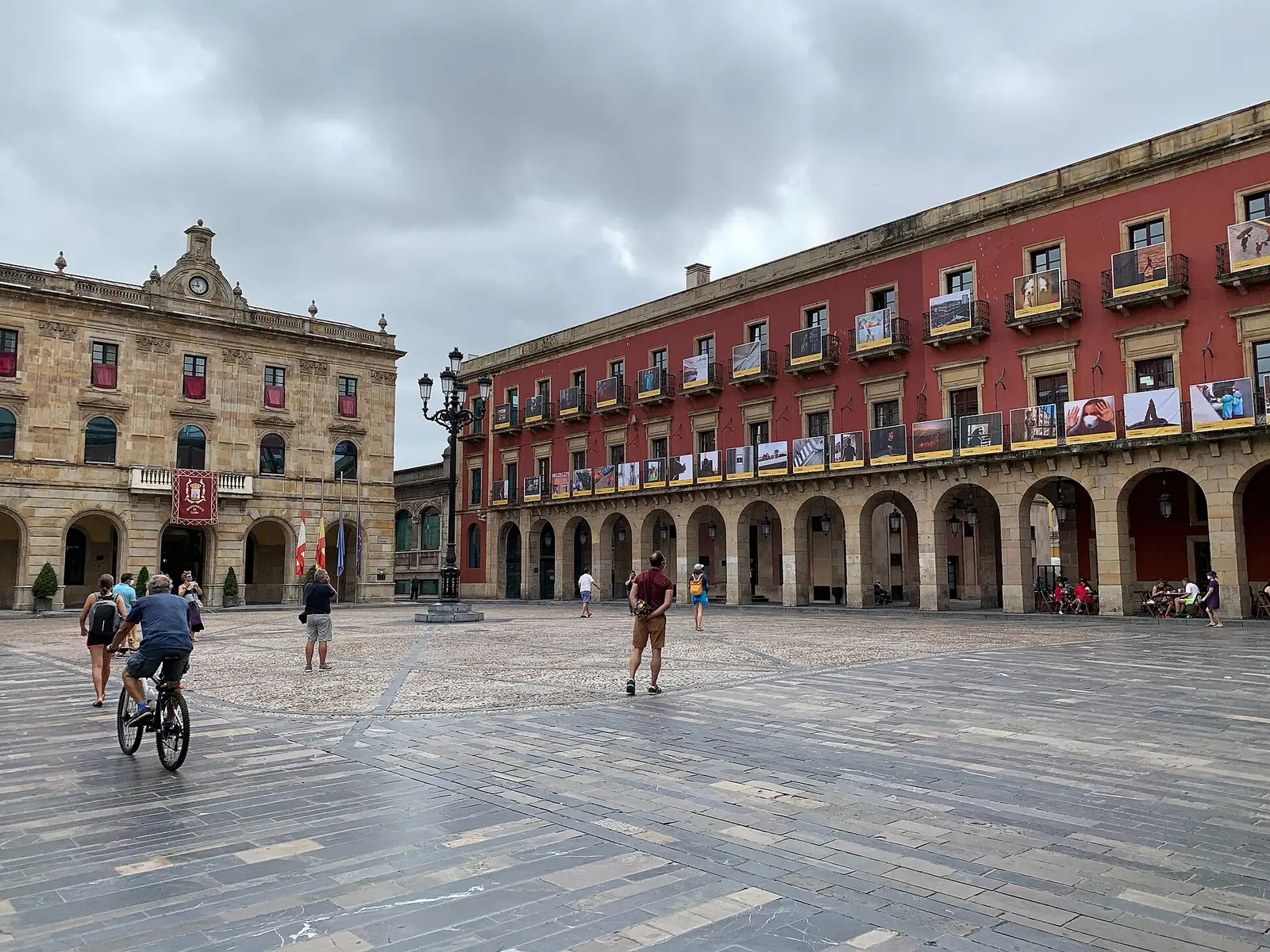
Gijón (Xixón in Asturian) is a seaside city best explored on foot: from the old fishermen’s quarter of Cimavilla up to the headland where Eduardo Chillida placed his Elogio del Horizonte, then along the long curve of San Lorenzo beach. This guide brings together the highlights, tells you how long each one takes and shows you how to string them together by area so you spend your time sightseeing, not backtracking.
Gijón’s highlights at a glance
- Cimavilla: the hilltop old town on its own little peninsula, with Roman baths, a baroque palace, a seafront main square and streets full of cider houses. The natural starting point.
- Elogio del Horizonte: Chillida’s monumental concrete sculpture (1990) on Santa Catalina Hill. The city’s emblem and its best viewpoint.
- San Lorenzo promenade: the seafront walk known locally as “el Muro”, running the length of the city beach.
- Isabel la Católica Park: Gijón’s big city park by the River Piles, with ponds, peacocks and swans. Great with children.
- Laboral City of Culture: the largest building in Spain, with a 130-metre tower you can go up on a guided tour.
- Atlantic Botanical Garden: next door to the Laboral, devoted to the plants of the Atlantic coasts, with a 19th-century estate garden inside.
- Gijón Aquarium: on Poniente beach, a journey from Asturian rivers to distant oceans. A reliable rainy-day plan.
- Monuments and sculptures: Gijón is full of open-air art; our guide picks out the pieces worth a detour.
Planning your visit by area
The city is laid out almost in a straight line along the coast, west to east. Grouping sights by area saves you a lot of walking back and forth.
Area 1: Cimavilla, the marina and Santa Catalina Hill (half a day)
Start in Plaza del Marqués, facing the Revillagigedo Palace and the statue of Pelayo, with the marina behind you. Climb through Cimavilla to Plaza Mayor and the Clock Tower, look in on the Roman baths at Campo Valdés and finish on Santa Catalina Hill with the Elogio del Horizonte. Allow two to three hours at an easy pace, longer if you stop for a drink.
Tip: go up the hill in the late afternoon. You will see San Lorenzo bay to the east and the port of El Musel to the west, and the sunsets are often superb. More spots in the best sunsets in Gijón.
Area 2: San Lorenzo beach, the promenade and the park (2–3 hours)
Walk down from Cimavilla to the church of San Pedro and follow the promenade to the mouth of the River Piles. From there, a short walk inland along the river brings you to Isabel la Católica Park. Keep an eye on the tide: at high tide the beach almost disappears, while at low tide it becomes a vast stretch of sand.
Area 3: the centre and the west (1–2 hours)
Between Cimavilla and Poniente beach you will find Plaza del Seis de Agosto with its statue of Jovellanos, Calle Corrida and the Paseo de Begoña – the main shopping and strolling streets. Further west, by Poniente beach, the aquarium and the Asturias Railway Museum are within easy walking distance of each other.
Area 4: the eastern outskirts (half a day)
The Laboral and the Atlantic Botanical Garden sit side by side on the eastern edge of the city. Give them a full morning or afternoon: about 75 minutes for the Laboral guided tour and at least two hours for the garden. The easiest way there is by city bus or bike; see getting around Gijón.
How long do you need?
- One day: areas 1 and 2, with lunch in a cider house. Our detailed itinerary is in Gijón in one day.
- Two or three days: add area 4, the aquarium and a museum, and keep an afternoon for the beach. See Gijón in three days.
- With children: the aquarium, Isabel la Católica Park and the Botanical Garden all work well; more ideas in Gijón with kids.
When to visit
Summer brings the best beach weather and most of the festivals, but also the crowds. Spring and early autumn are ideal for exploring on foot in mild temperatures. Weather on Spain’s northern coast changes quickly, so always pack a layer and check our guide to the weather and the best time to visit.
Tip: Spaniards eat late. Many kitchens only start serving lunch from around 1.30pm and dinner from around 8.30pm, so there is no need to rush your morning sightseeing.
Beyond the highlights
Once you have seen the essentials, round off your visit with Gijón’s museums, its cider culture or the beaches beyond San Lorenzo. With a day to spare, there are plenty of day trips from Gijón within an hour.
Sightseeing
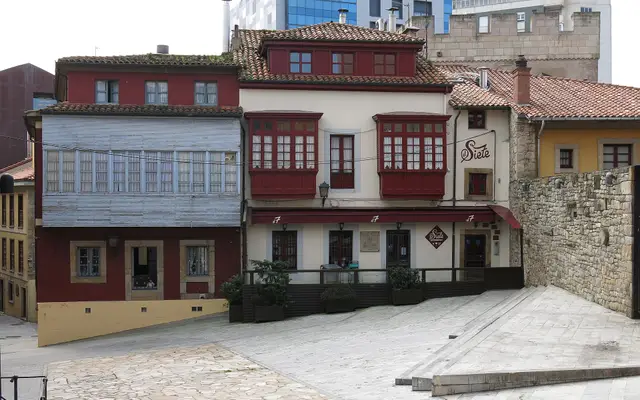
Cimavilla, Gijón's old town
Your guide to Cimavilla, Gijón's old fishermen's quarter: Roman baths, the Revillagigedo Palace, Plaza Mayor, cider houses and Santa Catalina Hill. Route and tips.

Elogio del Horizonte (Santa Catalina Hill)
Visit the Elogio del Horizonte, Eduardo Chillida's sculpture on Santa Catalina Hill: how to walk up, the best time to go, what to see nearby and why it matters.
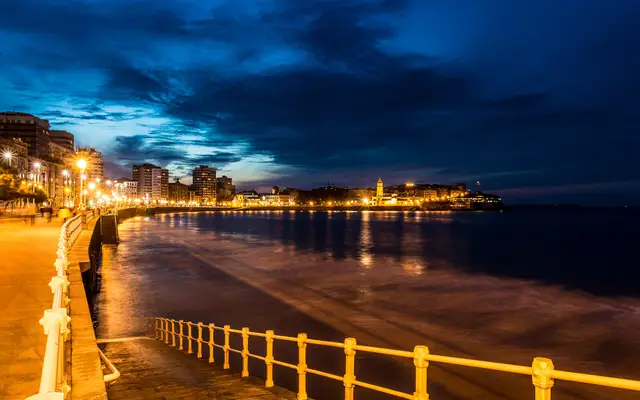
San Lorenzo promenade (Paseo del Muro)
Gijón's seafront promenade, known locally as el Muro: history, the Escalerona staircase, tides, the best times to walk it and what to see from San Pedro to the Piles.

Gijón Coastal Path: the Cervigón Path and the shoreline
Gijón's coastal path: the Cervigón Path (GR-204) from San Pedro to La Ñora, 10.3 km of clifftops and coves, with sections, climbs, getting back and the west.
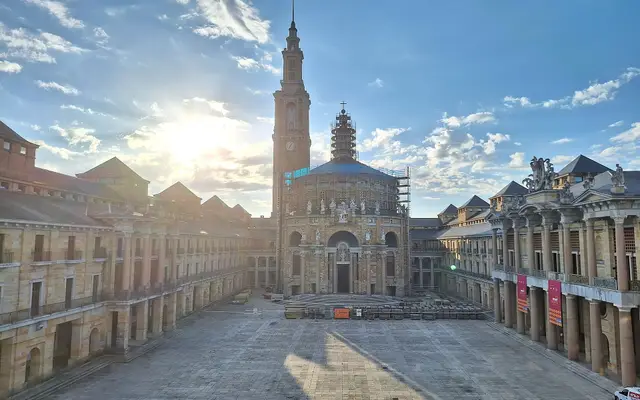
Laboral City of Culture
Visit Gijón's Laboral, the largest building in Spain: its history, the guided tour, the 130-metre tower viewpoint, 2026 prices and pairing it with the Botanical Garden.
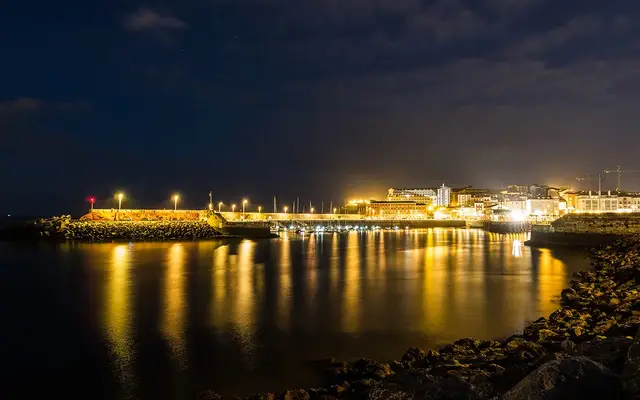
Gijón Marina
Guide to Gijón Marina: a harbourside walk between Cimavilla and Poniente beach, the story of the old port, the giant GIJÓN letters and what to see nearby.

Atlantic Botanical Garden
A guide to Gijón's Atlantic Botanical Garden: its areas, the historic Island Garden, the Tragamón oak wood, how long to allow and how to pair it with the Laboral.
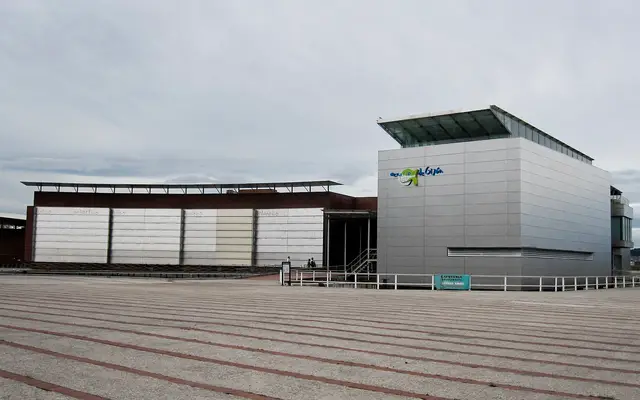
Gijón Aquarium
A guide to Gijón Aquarium on Poniente beach: its themed areas, how long a visit takes, when to go to avoid queues and what to combine nearby. Great for kids or rain.
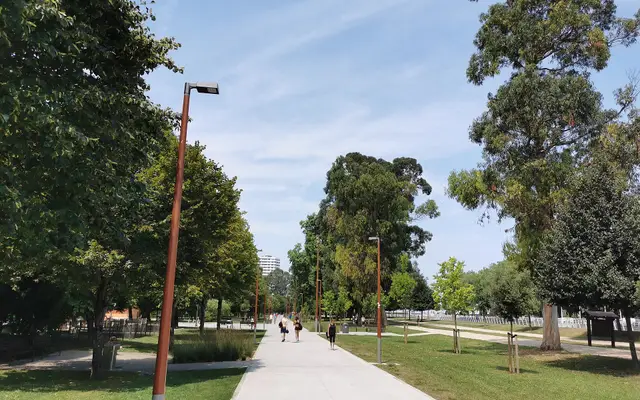
Isabel la Católica Park
A guide to Isabel la Católica Park, Gijón's great city park by the River Piles: ponds, peacocks and swans, how long to allow and how to walk there from the seafront.

Monuments and sculptures in Gijón
The monuments of Gijón worth seeing: the Revillagigedo Palace, the Laboral, the Roman baths and open-air sculpture by Chillida, Vaquero Turcios and others.
Frequently asked questions
What is Gijón best known for?
Its seafront and city beach, the old fishermen's quarter of Cimavilla, Eduardo Chillida's sculpture Elogio del Horizonte, Asturian cider culture and the colossal Laboral building on the edge of town.
How many days do you need in Gijón?
One well-planned day covers the old town and the seafront. Two or three days let you add the Laboral, the Botanical Garden, the aquarium and a museum or two without rushing, or a day trip into Asturias.
Is Gijón walkable?
Very. Cimavilla, the marina, the centre, the San Lorenzo promenade and Isabel la Católica Park are all linked by seafront walks. Only the Laboral and the Botanical Garden, on the eastern outskirts, call for a bus, bike or car.
What can you do in Gijón when it rains?
Head for the aquarium, the city museums, the guided tour of the Laboral or a cider house in Cimavilla. There are more ideas in our rainy-day guide.
What can you see in Gijón for free?
All the outdoor highlights: Cimavilla, Santa Catalina Hill and the Elogio del Horizonte, the San Lorenzo promenade, Isabel la Católica Park and the sculptures along the coast.
Sources
- Wikipedia (ES) – Cimadevilla (Gijón) — 28 October 2026
- Wikipedia (ES) – Elogio del horizonte — 28 October 2026
- Wikipedia (ES) – Universidad Laboral de Gijón — 28 October 2026