Gijón is an easy city to shop in: the centre is flat, largely pedestrianised and full of long-standing local shops alongside the usual chains. But the things really worth taking home are found in the markets and in shops selling Asturian produce. This guide tells you where to go and what to buy.
Shopping areas
The centre: Calle Corrida and the pedestrian streets
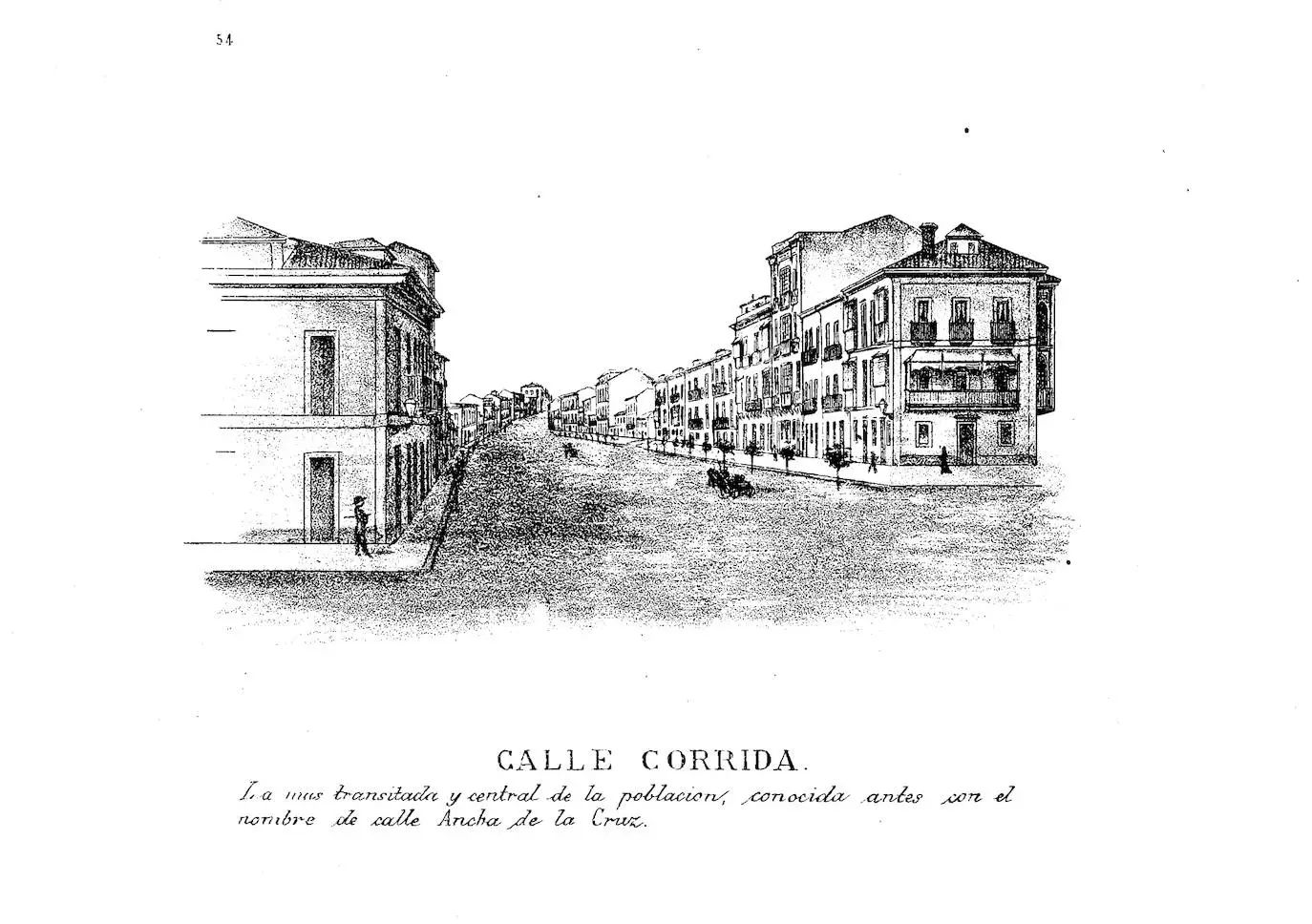
Calle Corrida is Gijón’s main shopping street, pedestrianised and always busy. Around it spreads a web of pedestrian streets (Los Moros, San Bernardo and the lanes between them) with fashion, shoes, bookshops, jewellers, cake shops and traditional stores that have been trading for decades. Perfect for browsing with a café stop.
Cimavilla and the harbour
In Cimavilla and around the Plaza Mayor you will find small shops, a few places selling crafts and local produce, and a calmer pace. On the second weekend of every month the Plaza Mayor also hosts the craft market (see below).
La Arena and other neighbourhoods
Behind San Lorenzo beach, La Arena has a varied mix of local shops, and districts such as El Llano and La Calzada keep their neighbourhood stores. Get to know them in Gijón neighbourhoods.
Shopping centres
Gijón has shopping centres both within the city and on its outskirts, with the usual chains, supermarkets and cinemas. Handy on rainy days or if you need longer opening hours.
Markets
Mercado del Sur
The Mercado del Sur is Gijón’s traditional covered food market: an iron-framed building put up at the end of the 19th century and refurbished in 2001. Inside are stalls selling fish, meat, fruit, cheese and charcuterie. On the upper floor, local growers traditionally sell seasonal vegetables and fruit from their own plots.
Tip: go in the morning, when there is more on offer and more atmosphere. Check opening hours first, as they may differ between weekdays and Saturdays.
Craft and Organic Market
According to the city council, the Mercado Artesano y Ecológico has been held on the second weekend of every month in the Plaza Mayor since 2002. It brings together Asturian craftspeople and organic producers, with workshops and activities. The best place to buy gifts with a story and meet the people who make them. Check the calendar on the council’s page.
All the city’s markets are in our guide to markets in Gijón.
What to buy: typical Asturian products
Cider
The undisputed star. Look for natural cider (sidra natural, the still, cloudy kind that is poured from a height) and, for guaranteed origin, bottles with the Sidra de Asturias protected designation of origin. There is also sparkling cider, ice cider and cider vinegar. Learn how to drink it in our cider guide.
Tip: add a couple of proper cider glasses, thin and wide-mouthed. It is the most Gijón souvenir you can buy, and cider never tastes the same without one.
Cheese
Asturias is cheese country. Those with protected designation of origin are Cabrales (a powerful blue), Gamonéu, Afuega’l Pitu and Casín, but there are dozens more. At the Mercado del Sur and specialist shops you can usually try before you buy. If you are flying, ask for them to be vacuum-packed.
Beans, sausages and tinned fish
- Fabes: the large white beans for fabada; Faba Asturiana has protected geographical indication.
- Compango: smoked Asturian chorizo and black pudding (morcilla) to complete the stew.
- Cantabrian tinned fish: bonito tuna, anchovies, sardines… a gift that travels well.
More on local food in what to eat in Gijón.
Sweets
Casadielles (walnut-filled pastries), frixuelos (crêpes), rice pudding, and carbayones and moscovitas (both from Oviedo) are sold in cake shops across Asturias. Meet them in Asturian desserts.
Crafts
- Black pottery, from the potters’ tradition of Llamas del Mouro (Cangas del Narcea).
- Jet (azabache), the black stone carved into jewellery and associated with Villaviciosa.
- Madreñas, traditional wooden clogs, now mostly decorative.
Practical tips
- Opening hours: small shops usually open in the morning and again in the afternoon, closing for lunch, and stay shut on Sundays. Large stores open all day.
- Sales: the traditional sales seasons are January (after Three Kings Day) and July.
- VAT refunds: if you live outside the European Union, ask about tax-free shopping in participating stores.
- Payment: cards are accepted almost everywhere, but carry some cash for market stalls.
- Flying home: check in cider and other liquids, and wrap bottles well.
More useful information for your trip in practical information.
Frequently asked questions
What is the main shopping street in Gijón?
Calle Corrida, a pedestrian street right in the centre, is the best-known shopping street. Around it is a network of pedestrian streets with fashion shops, bookshops, shoe shops and long-established family businesses.
What should I buy in Gijón as a souvenir?
Natural cider, Asturian cheeses with protected designation of origin, fabes (dried beans), tinned Cantabrian fish, traditional sweets, black pottery or jet jewellery. A cider glass is the most Gijón souvenir of all.
When is the craft market in Gijón?
The Craft and Organic Market is held on the second weekend of every month in the Plaza Mayor, according to the city council. It brings together Asturian crafts and organic produce.
Are shops open on Sundays in Gijón?
Generally, small shops close on Sundays and many also close for a long lunch break on weekdays. Large stores have longer hours and open on some authorised Sundays and holidays.
Can I take cider on the plane?
In checked luggage, yes, well wrapped. Hand luggage is subject to airport liquid limits, so buy after security or check the bottles in.
Sources
- Gijón City Council – Craft and Organic Market — 28 October 2026
- Mercasa – Mercado del Sur, Gijón (fact sheet) — 28 October 2026